
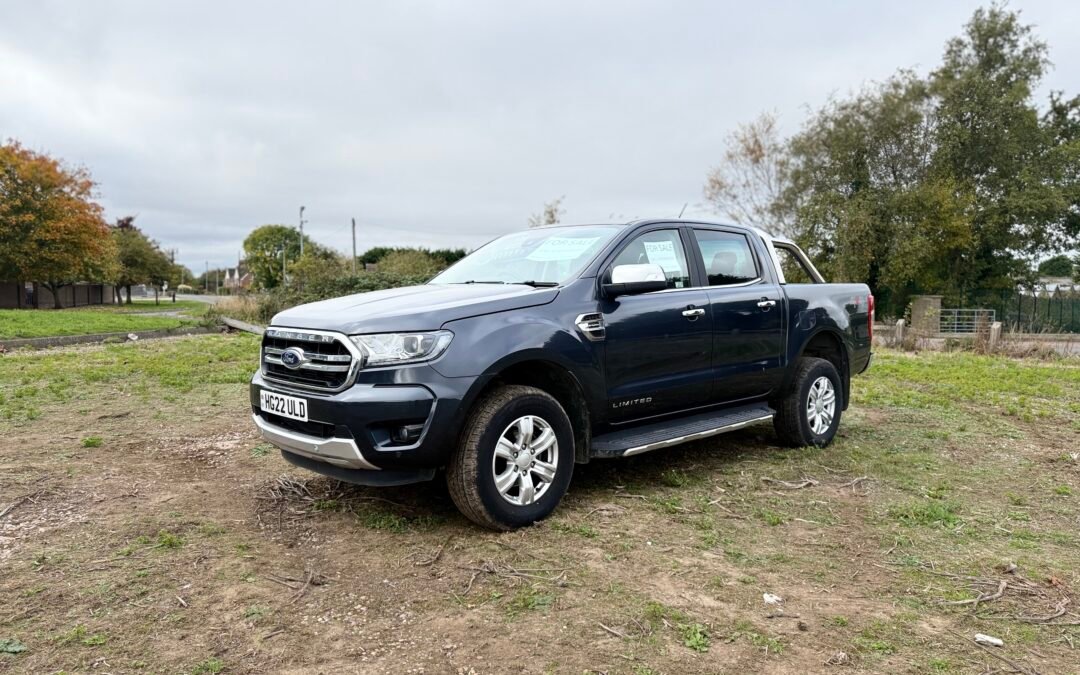
If you work on site, tow regularly, or live where winter bites, a good used truck or 4×4 can make life easier and safer. The challenge is separating solid workhorses from tired examples that will drain your wallet. This practical guide walks you through what to check, which specs matter, how to judge engines and mileages, and how to keep running costs predictable. You will also see how Autosavvy prepares trucks so you can buy with confidence, book a weekend appointment, and get on with your job.
Start with the job: payload, towing and bed size
- Payload: Know your typical load and add a margin. Many 1 tonne pickups carry 1,000 to 1,100 kg, but accessories like canopies and liners eat into payload. Check the VIN plate for the official figure and compare trims, some alloys and leather packs reduce payload.
- Towing: If you tow plant, livestock or a trailer, confirm the braked towing capacity on the V5C and handbook, then match it to your trailer’s plated weight. Look for trailer stability assist, a selectable low range, and a factory towbar with correct electrics.
- Bed and cab: Double cabs are family friendly yet shorten the bed. If you haul sheet materials, a longer bed or a load extender can save stress. Check tie downs, bedliner condition, and tonneau seal integrity to keep tools dry in winter.
4WD systems that work when it is grim
- Part time vs full time 4WD: Part time systems suit off road and heavy work, use 2H on tarmac to save fuel and engage 4H or 4L on loose or slippery surfaces. Full time systems add a centre differential for set and forget traction on wet roads. Either can be excellent if maintained.
- Low range: For steep farm tracks, towing up ramps, or engine braking on ice, low range is worth its weight. Engage it on a test drive and listen for smooth engagement without clunks.
- Diff locks and traction control: A rear diff lock helps in mud and snow; electronic traction works well on road tyres. Check buttons and indicators operate as intended.
- Ground clearance and tyres: Clearance of 200 mm plus helps with ruts and snow. Fit winter rated tyres or all terrain tyres with the 3PMSF snow symbol for cold, wet months.
Rust hotspots and underbody checks
- Chassis rails and crossmembers: Look for swelling, flaky metal, fresh underseal hiding corrosion, and repairs near spring mounts.
- Sills, arches and bed seams: Check inner rear arches and the seam between bed and cab for bubbling, especially if the truck carried salt or did beach launches.
- Brake and fuel lines: Surface rust is common but deep pitting is not. Replace lines proactively if they are heavily corroded.
- Suspension: Inspect leaf spring shackles, bushes, and shock absorbers for leaks or excessive play. Uneven tyre wear can point to alignment or worn components.
Engine choices, longevity and the truth about diesel
Do diesel engines last longer?
Often, yes, if serviced on time, kept cool, and not mapped badly. Diesels deliver better low rev torque for towing and tend to return stronger economy on longer runs. Petrol engines can be simpler, quieter in town, and avoid DPF issues if your use is mainly short trips. Choose based on your routes and loads.
What truck will last 300,000 miles?
The ones with consistent maintenance, gentle warm ups, and timely fluid changes. You will see high mile figures from Toyota Hilux, Isuzu D Max, Ford Ranger, Mitsubishi L200, and Land Cruiser based 4x4s when serviced properly. The badge helps, but care and usage matter more.
Which car brand has the least problems?
Across trucks and 4x4s, Toyota and Subaru score well for durability, while Isuzu and Mitsubishi pickups have strong reputations for simple, robust drivetrains. That said, condition, rust prevention, and documented servicing beat brand stereotypes in the real world.
Is 100k miles too much for a truck?
Not if it has a full service history, clean MOT history, and evidence of key items replaced. Trucks are built for work. A tidy 120k example that has towed sensibly and seen regular oil changes can outlast a neglected 60k vehicle.
Service history, cam belt or chain, and cooling
- History: Favour stamped books and digital invoices. Look for oil and filter changes at proper intervals, front and rear diff oils at scheduled mileage, transfer case fluid, brake fluid, and coolant.
- Cam belt vs chain: Belts need replacement at set intervals by mileage or time. If a belt is due, plan to replace immediately. Chains can stretch if oil changes are missed. Listen for rattle on cold start and check service notes. Autosavvy replaces the cam belt when due during preparation for peace of mind.
- Cooling system: Towing and slow off road work stress cooling. Inspect radiator fins, coolant colour, hose condition, and the viscous fan or electric fans. Overheating is a top killer of long life engines.
Tyres and brakes: your winter safety net
- Tyres: Check date codes, tread depth across the face, and sidewall cracking. For winter, the 3PMSF marking improves cold weather grip. A fresh set is far cheaper than a winter bump.
- Brakes: Look for even disc wear, no lip ridges, and solid pedal feel. On a test drive, do a gentle then firm stop from speed to feel for vibration. Rusty rear brake pipes can be an MOT fail, budget for replacement if noted.
Real running costs: fuel, fluids and consumables
- Fuel: Diesel pickups often deliver 28 to 36 mpg if driven sensibly, less with a roof rack, big tyres, or heavy towing.
- Insurance and tax: Double cabs registered as commercial can differ in tax compared to SUVs. Check classification before you buy.
- Consumables: Budget for tyres every 25 to 40k miles depending on use, brakes every 20 to 40k, and fluids per schedule. Replace timing belts, water pumps, and auxiliary belts on time to avoid big bills.
What is the best second hand truck to buy?
The best truck is the one that matches your load, terrain, and maintenance expectations, with proof it has been cared for. If you tow heavy and need low range, a Hilux or D Max with a rear diff lock and full history is a safe bet. If you want comfort for mixed family and site use, a later Ford Ranger or VW Amarok with a thorough inspection can be ideal. For more SUV style 4×4 capability in winter, a Land Cruiser or Shogun with low range and proper tyres is hard to beat. Prioritise condition, rust free chassis, full servicing, and the right spec over a particular badge.
How Autosavvy helps you choose well
Every truck and 4×4 we retail is inspected in house from bonnet to boot. We service where needed, replace the cam belt when due, issue a fresh MOT where applicable, and fully valet the vehicle so it feels cared for, not just polished. You receive a clear, plain English handover walkthrough and a used car warranty included as standard, with the option to extend your cover for longer protection.
If you are ready to compare options, you can browse our current 4×4 truck sales and find the right truck for work and winter. You can also book a weekend appointment if weekdays are tight. If you have a vehicle to swap, we offer fair, straightforward valuations to make the change simple and stress free.
For a quick look at stock, explore our buy trucks page. For extra cover details, read about our used car warranty and talk to our team about the right plan for your mileage and usage. Our after-sales support is friendly and practical, with no hard sell and clear guidance when you need it.
Quick inspection checklist for your viewing
- Cold start from stone cold, listen for rattles and smoke.
- Engage 4H and 4L on a quiet stretch, confirm smooth operation.
- Check for clutch slip under load on manuals, and smooth kickdown on autos.
- Test hill starts with a trailer if possible, or at least a steep ramp.
- Look underneath for rust, oil leaks, and damaged guards.
- Confirm towbar electrics function, including 13 pin if fitted.
- Review service history for timing belt, diff and transfer oils, and recent MOT advisories.
Summary: choose capability, proof of care, and winter readiness
Pick a truck or 4×4 that fits your load and towing needs, has the right 4WD hardware for your routes, and shows clear evidence of regular servicing. Do not fear higher mileage if the history is strong and the chassis is solid. Diesels are great for towing and long runs, petrol can suit short hop users better. At Autosavvy, every vehicle is workshop inspected, serviced where needed, and supplied with a fresh MOT and warranty so you can drive away with confidence. Browse our stock, book a weekend viewing, and let us help you find the right work and winter partner.